Category: Best practices
-
Application Monitoring Best Practices: 15 Lessons From Real On-Call Incidents
If you’ve been on call long enough, you’ve lived this exact moment: checkout’s p99 jumps, nothing else looks wrong, and you’re staring at three separate tools trying to figure out which one is lying to you. Years of on-call rotations across enough companies teach the same application monitoring best practices, usually the hard way, usually…
-

AWS Lambda Timeout Best Practices: Causes, Limits, and Fixes
“Task timed out after 900.00 seconds.” That line in CloudWatch means your function ran out of time, and depending on where it happened, you might have a partial database write, a duplicate charge, or a customer staring at a blank screen. AWS Lambda timeouts are rarely about needing more time. Most trace back to a…
-
Building Effective Alert Correlation Strategies for Distributed Microservices
Alert correlation is what turns 47 simultaneous Kubernetes alerts into one clear incident instead of an all-night scavenger hunt. In distributed microservices, a single upstream failure cascades into dozens of alerts that all look independent, and all demand attention at once. Without a way to group them by cause, your team burns hours chasing symptoms…
-
6 Practices High-Performing DevOps Teams Use to Cut MTTR in Half
The difference between a 10-minute incident and a 2-hour outage often comes down to six specific practices. Teams that master these consistently report 50% faster resolution times and significantly fewer escalations. This guide breaks down what those practices are, why they work, and how to start implementing them today. Tool sprawl is one of the…
-
Kubernetes Infrastructure Monitoring: Complete Guide with Middleware
Kubernetes infrastructure monitoring tracks node CPU, memory, disk, and network health, as well as control plane and pod status, to surface problems before they affect users. Tools like Middleware provide pre-built dashboards and automated alerts that cut setup time from days to minutes. Table of Contents TL;DR Kubernetes infrastructure monitoring continuously tracks node CPU, memory,…
-
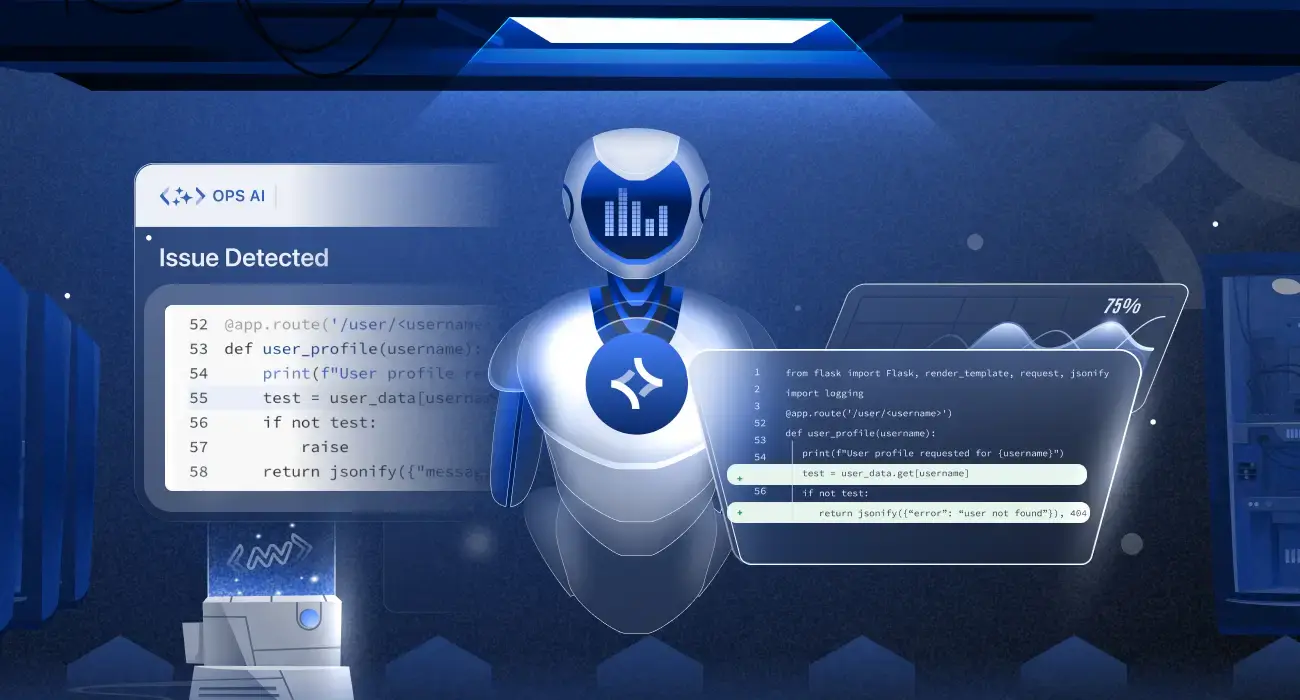
Introducing Middleware OpsAI: The AI SRE Agent That Resolves Production Issues Before They Reach Your Users
Summary: OpsAI is Middleware’s AI-native SRE agent that detects, diagnoses, and fixes production issues across APM, RUM, Logs, Kubernetes, and even third-party tools like Datadog and Grafana. Built on top of Middleware’s full-stack observability platform, OpsAI doesn’t just tell you something broke — it tells you why, where, and ships a pull request with the…
-
Monitor Logs from Amazon EKS on Fargate with Middleware
Amazon EKS on Fargate is a fully serverless Kubernetes environment, with no EC2 nodes to manage, no DaemonSets and no host filesystem access. That architecture simplifies operations but breaks traditional observability tools that rely on node-level agents. This guide shows you how to monitor EKS Fargate workloads using Middleware. You will configure log routing via…
-
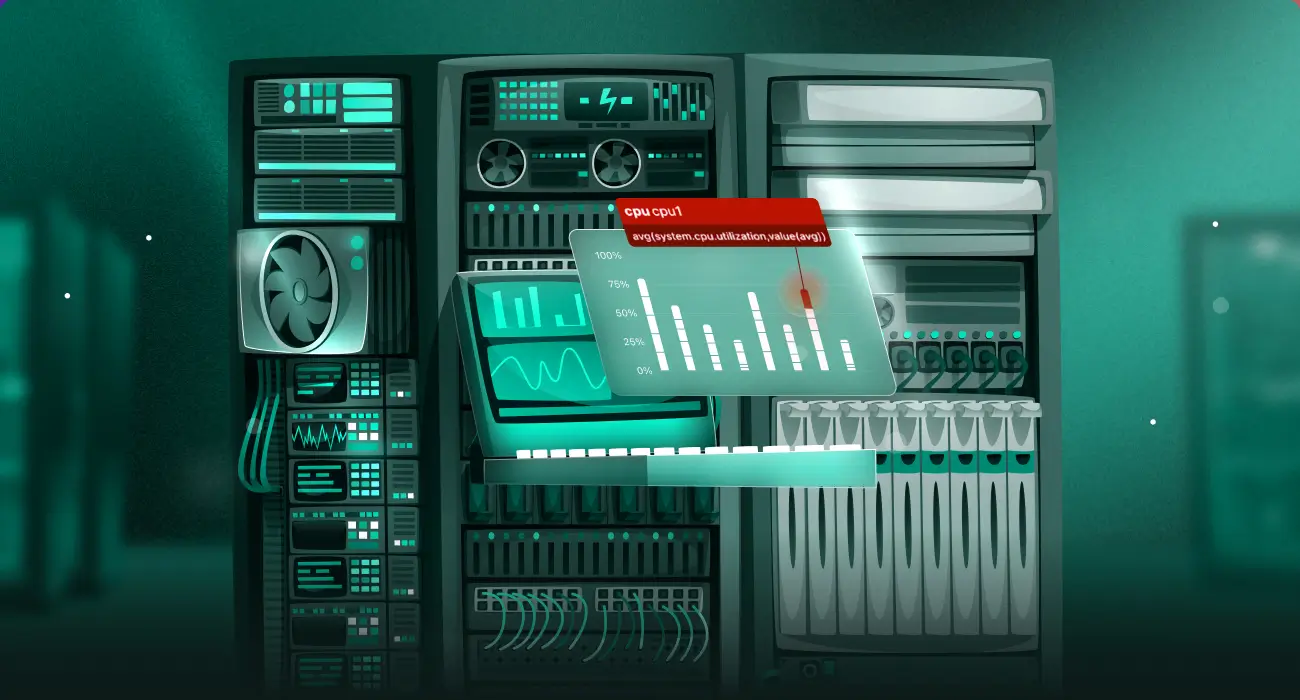
How to Monitor Virtual Machines with Middleware
Virtual machine (VM) monitoring tracks CPU, memory, disk, and network performance in real time, allowing infrastructure teams to detect and resolve issues before they affect users. 📖 New to infrastructure monitoring? Read our foundational guide → What Is Infrastructure Monitoring? This guide covers how to deploy Middleware’s OpenTelemetry-based monitoring across VMs on AWS, Azure, and…
-
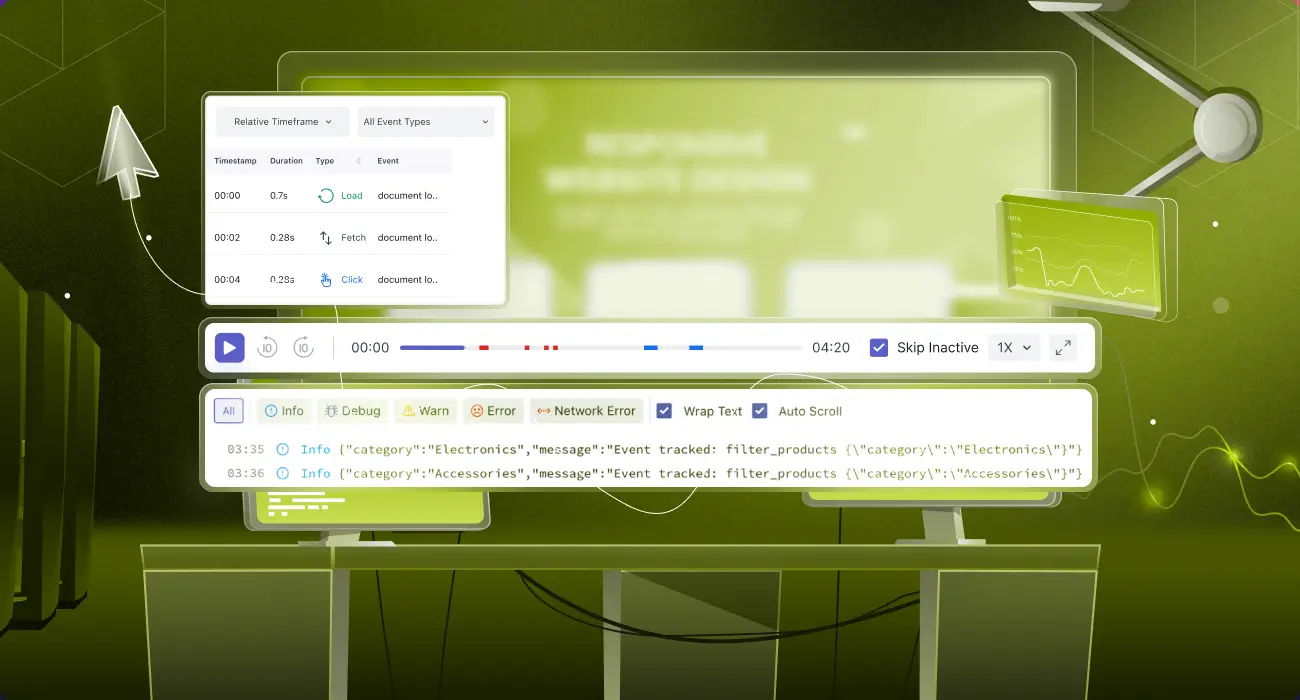
Frontend Performance Metrics: Bridging the Gap from Browser to Backend with RUM and Tracing
Frontend performance metrics measure how quickly and smoothly a web or mobile application behaves for users. This includes load time, interactivity, and visual stability across different devices, browsers, and app environments. Frontend performance metrics often show that something is wrong, but they fail to explain who is affected, how it impacts users, and where the…
-
How a SaaS Team Scaled End-to-End Browser Tests with Middleware Synthetic Monitoring
An EdTech platform with 200k users learned a hard lesson in reactive monitoring. After a Friday deployment, their status page was green, but their checkout was dead for iOS 14 users. It took two hours to diagnose while revenue leaked. By pivoting from manual regression to a Synthetic-First Observability Strategy with Middleware, they cut detection…
-
How to Do Effective Infrastructure Monitoring for Windows with Middleware
Learn how to set up Windows infrastructure monitoring with Middleware. Track CPU, memory, disk, and network metrics and detect issues before they impact users.
-
Observability Predictions for 2026
Discover the top observability trends for 2026, including proactive AIOps, OTel adoption, cost-aware telemetry, and deeper, intelligent insights.
