Tag: Kubernetes
-
Kubernetes CrashLoopBackOff: Causes, Diagnosis, and Fixes
Summary: CrashLoopBackOff is one of the most common and most frustrating Kubernetes errors engineers face in production. It means a container keeps crashing and restarting in a loop, but the error actually causing it is hidden inside logs and exit codes that most guides gloss over. This article covers every root cause in depth, gives…
-
What Is Kubernetes ImagePullBackOff Error and How to Fix It
Summary: ImagePullBackOff is a Kubernetes pod status that prevents your application from starting before it can pull the image. The container image can’t be pulled from the registry, so nothing runs. It’s one of the first errors engineers hit when deploying to Kubernetes, and while the fix is almost always straightforward once you know the…
-
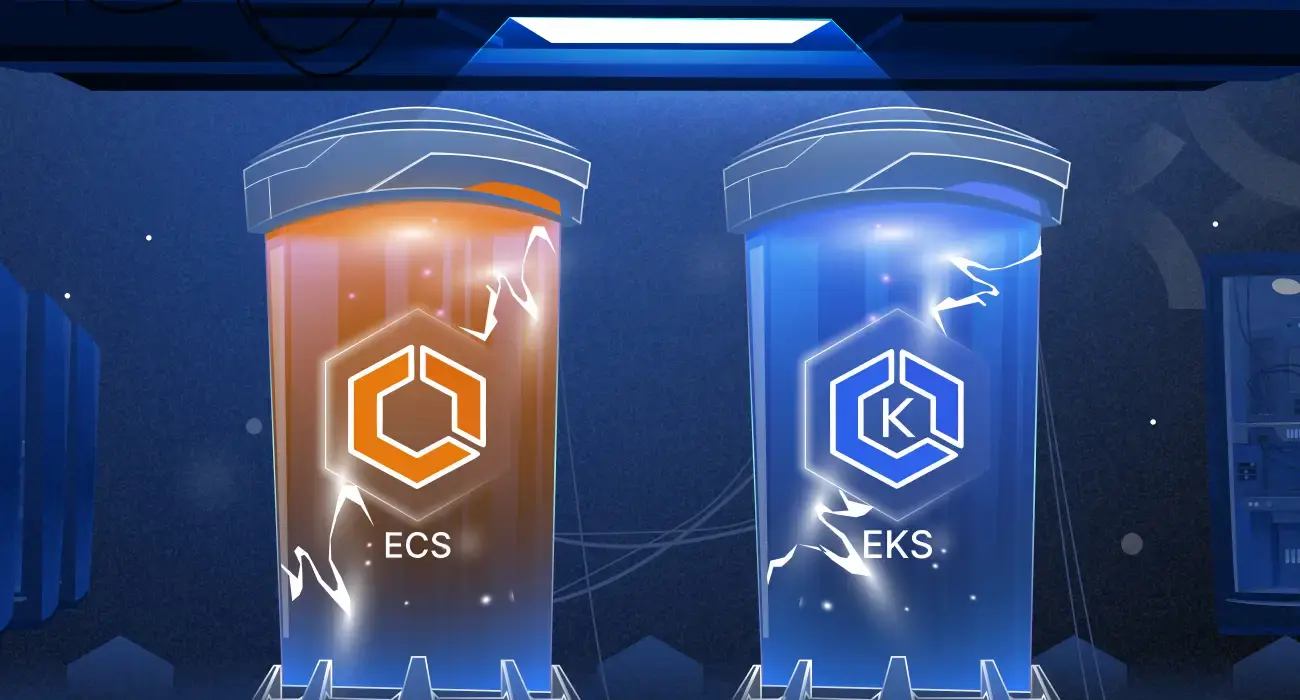
AWS ECS vs EKS: What’s the Difference and Which Should You Choose?
Summary: Use AWS ECS if your team wants AWS-native simplicity, lower operational overhead, and no per-cluster fee. Use AWS EKS if you need Kubernetes portability, the CNCF tooling ecosystem (Helm, Argo CD, Istio), or fine-grained autoscaling like KEDA and Karpenter. Both run on EC2 or Fargate, both are production-proven at massive scale, and neither is objectively…
-
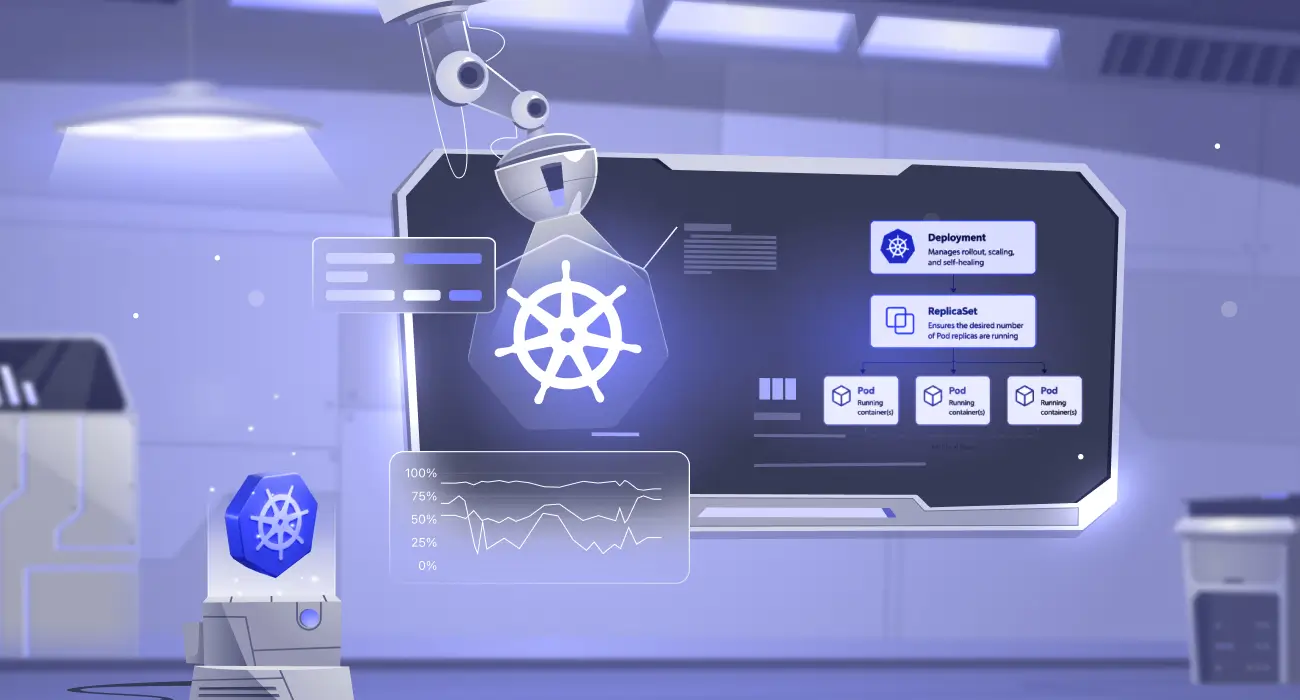
Kubernetes Deployment: The Misconfigurations That Cause Outages (and How to Fix Them)
Summary: A Kubernetes Deployment is a declarative API object in the apps/v1 group that manages the full lifecycle of a set of identical Pods, including creation, scaling, rolling updates, self-healing, and rollback. It does not run containers directly; instead, it owns a ReplicaSet, which owns the individual Pods. This three-layer hierarchy — Deployment → ReplicaSet → Pod…
-
OOMKilled Kubernetes Error: How to Detect, Fix, and Prevent It
OOMKilled Kubernetes error is one of the most disruptive errors in containerized production environments. The Linux kernel kills your container mid-flight with no warning, drops all in-flight requests, and forces Kubernetes to restart the workload from scratch. If the root cause is not addressed, the cycle repeats until the pod enters CrashLoopBackOff and your service…
-
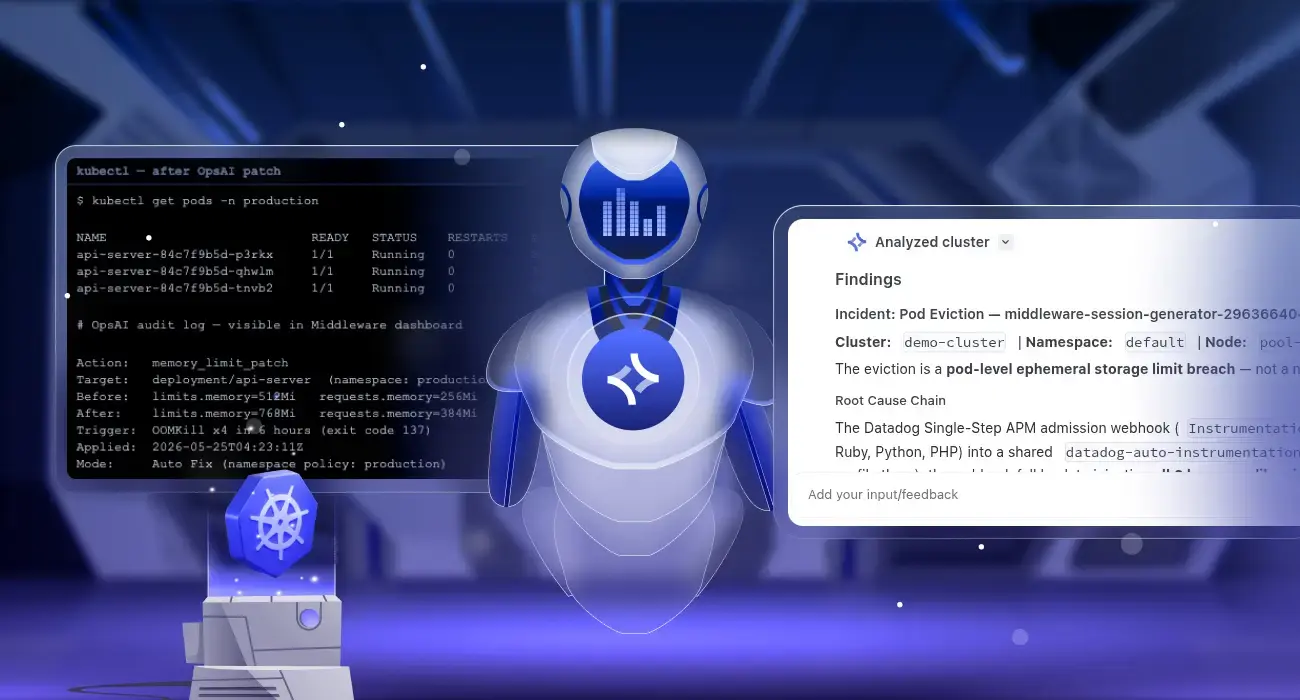
Kubernetes Self-Healing: Automatic Pod Crash Remediation with OpsAI
Kubernetes pod crash auto-remediation is the ability to automatically detect why a pod crashed and apply a permanent fix without human intervention. Middleware OpsAI does this by monitoring Kubernetes events, pod metrics, and container logs in real time, diagnosing the root cause of each failure, and patching the cluster directly, for example, raising a memory…
-
How We Built an AI SRE Agent That Troubleshoots Production Issues Like a Team of Engineers
We built OpsAI because investigating a production incident has become one of the hardest cognitive tasks in software engineering, and the industry’s answer has been to add more dashboards. That’s the wrong answer. As distributed environments grow, the signals get noisier, failures span more systems, and Kubernetes adds layers that nobody fully understands at 3…
-
Kubernetes Infrastructure Monitoring: Complete Guide with Middleware
Kubernetes infrastructure monitoring tracks node CPU, memory, disk, and network health, as well as control plane and pod status, to surface problems before they affect users. Tools like Middleware provide pre-built dashboards and automated alerts that cut setup time from days to minutes. Table of Contents TL;DR Kubernetes infrastructure monitoring continuously tracks node CPU, memory,…
-
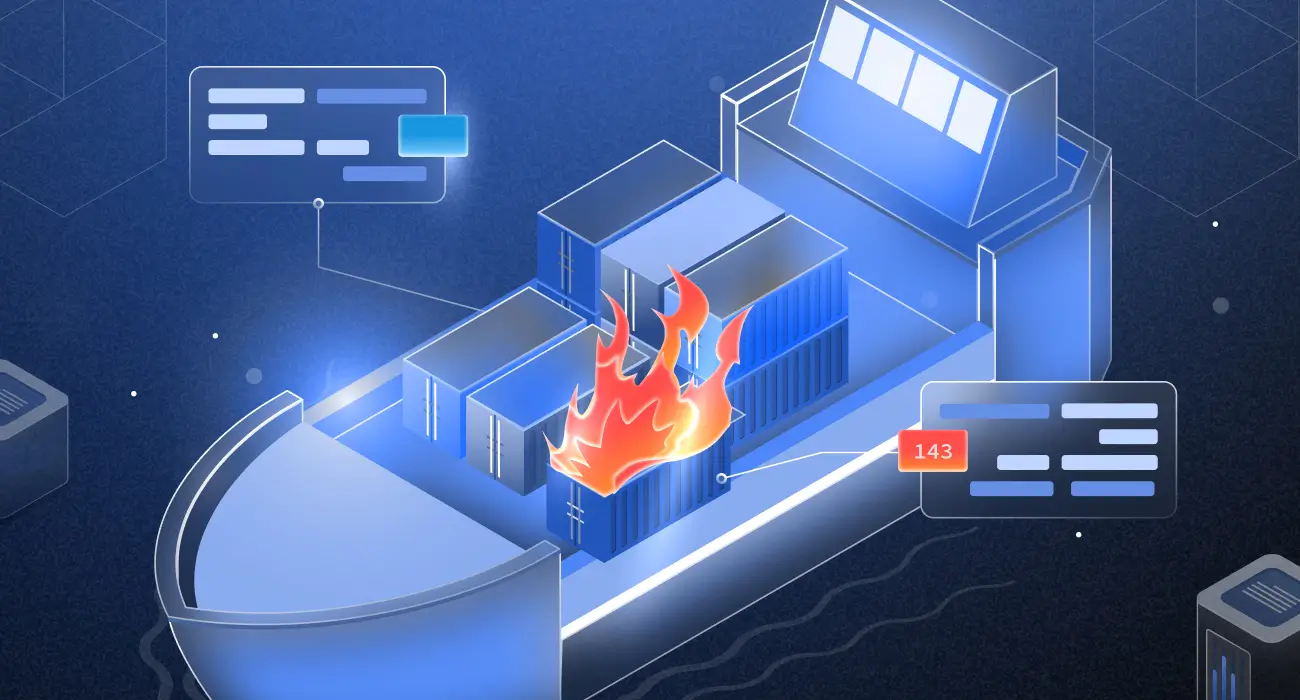
Kubernetes & Docker Exit Code 143: Meaning, Causes, and Debugging Guide
When you see exit code 143 and your container stops, the instinct is to assume something broke. In most cases, the container received a shutdown signal and exited on its own. What matters is whether your application handled that signal correctly. In production, how your application handles that shutdown determines whether users see dropped requests,…
-
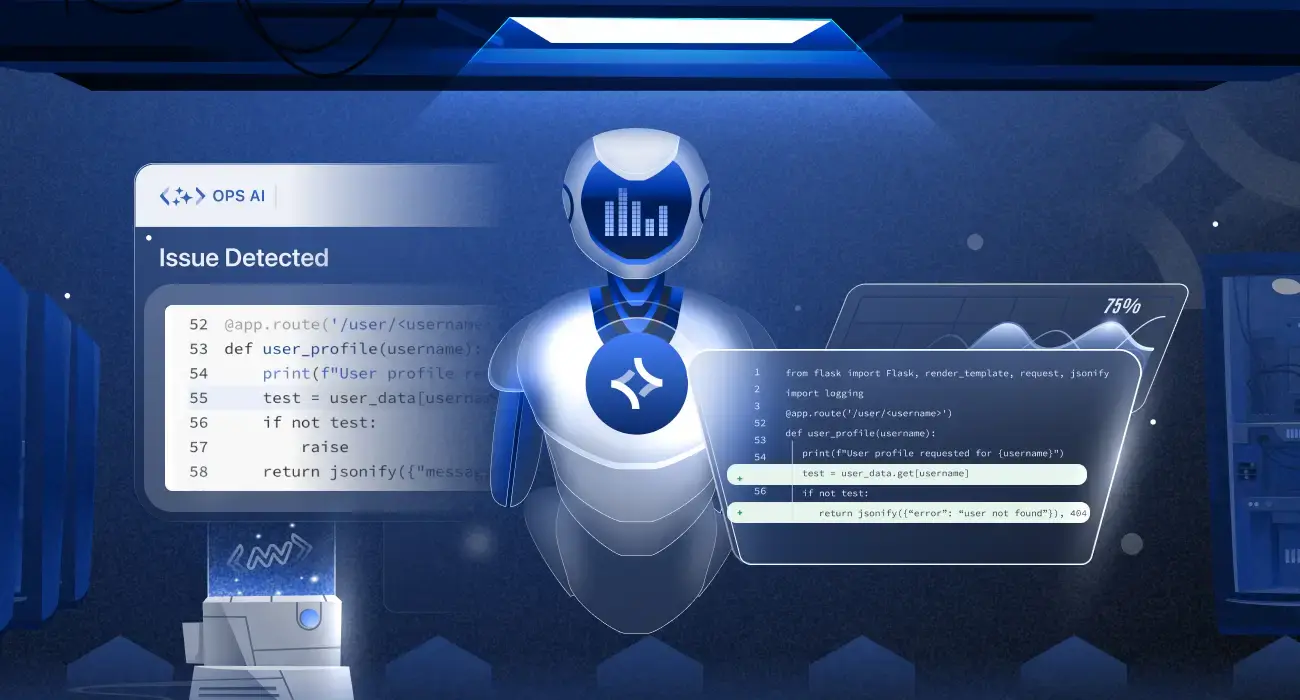
Introducing Middleware OpsAI: The AI SRE Agent That Resolves Production Issues Before They Reach Your Users
Summary: OpsAI is Middleware’s AI-native SRE agent that detects, diagnoses, and fixes production issues across APM, RUM, Logs, Kubernetes, and even third-party tools like Datadog and Grafana. Built on top of Middleware’s full-stack observability platform, OpsAI doesn’t just tell you something broke — it tells you why, where, and ships a pull request with the…
-
Diagnosing Abnormal Kubernetes Workload Behavior with Observability
Troubleshoot Kubernetes workload issues faster with unified metrics, events, and logs. See how full-stack observability helps identify root causes in minutes.
-
Troubleshooting Common Kubernetes Workloads Issues with Middleware
Troubleshoot Kubernetes workloads efficiently with Middleware. Detect CrashLoopBackOff, OOMKilled, and FailedMount errors in real time and reduce downtime.
