Tag: Observability
-
AWS Lambda Functions in Python: A Practical Guide
AWS Lambda is a serverless compute service that runs your code in response to events, without requiring you to manage any servers. Developers use it for event-driven and short-running tasks like processing file uploads, handling API requests, and running scheduled jobs. The code you deploy to Lambda is called a Lambda function, and it handles…
-
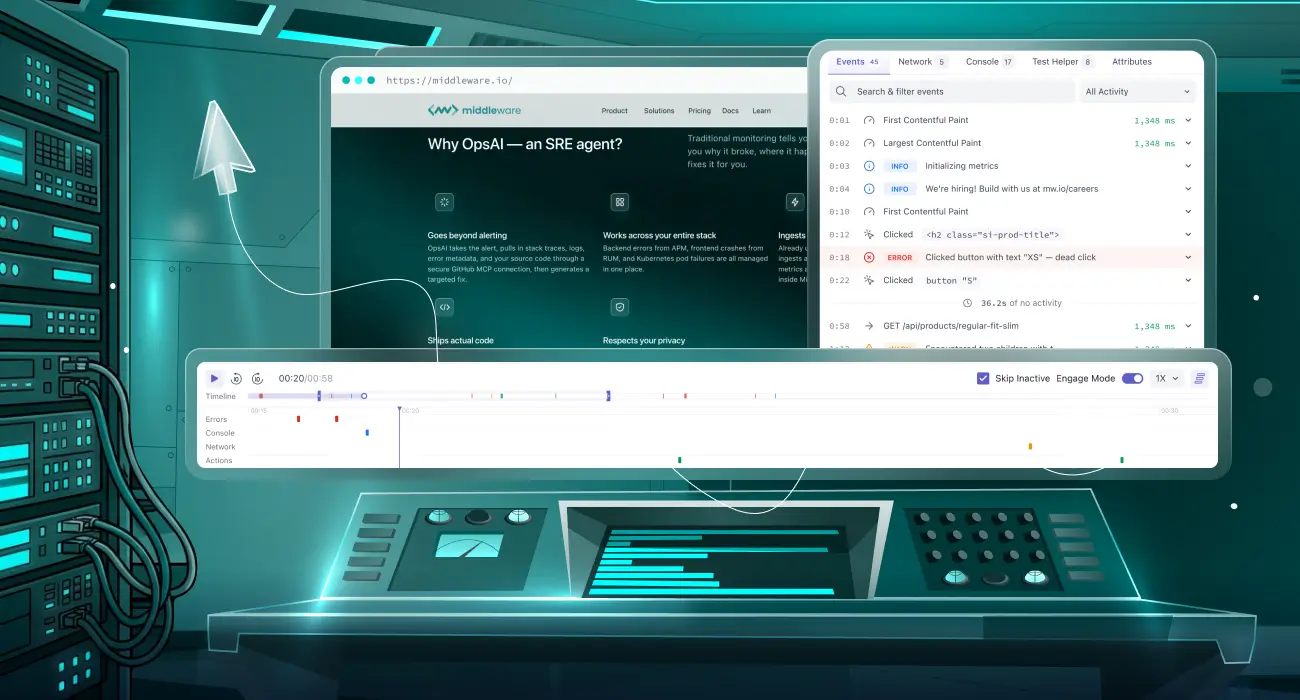
Session Inspector: See Exactly What Happened In Any User Session
A session replay only gets you halfway to a fix. Watching what a user did is useful. But on its own, it doesn’t tell you which request failed, what error fired, or whether the user was already stuck before things broke. Without that context, a recording is just a video with no explanation attached. You…
-

How to Monitor Docker Memory Usage
You deploy a container, then check on it a few hours later, running docker stats out of habit. It reports 340 MiB of memory used against a 512 MiB limit. All seems fine. A later check shows the number has risen to 410 MiB, even though traffic hasn’t budged. Is the app leaking, or is the Linux…
-

10 Best React Performance Monitoring Tools in 2026
Choosing the right React performance monitoring tools starts with a hard truth: the React Profiler tells you nothing about what happened to a real user on a three-year-old Android phone last night. Local development hides the exact conditions that break production performance: device CPU, network quality, and every API call your components depend on. This…
-

Trace Explorer Gets a Smarter Way to Investigate Distributed Traces
When a request fails, it rarely fails in one place. It moves through multiple layers: network, application code, and database, with each layer adding its own step to the journey. When something breaks, the hard part is finding exactly which layer, which step, and which downstream call actually caused it, not just that the request…
-
How Middleware Minimizes False-Positive Alerts
False positive alerts cost teams more than most people realize. Teams routinely receive over 1,000 alerts a week, and only 2 to 5% are worth acting on, according to Middleware founder & CEO Laduram Vishnoi. We built false positive alert detection into OpsAI to fix that. It checks every alert as soon as it fires…
-
Application Dependency Mapping (ADM): A Practical Guide
Application dependency mapping is the process of identifying and visualizing how the services, infrastructure, and external systems that make up an application depend on one another. It shows which components a request touches, in what order, and where a failure in one component can affect others. Teams use it for incident investigation, change impact analysis…
-
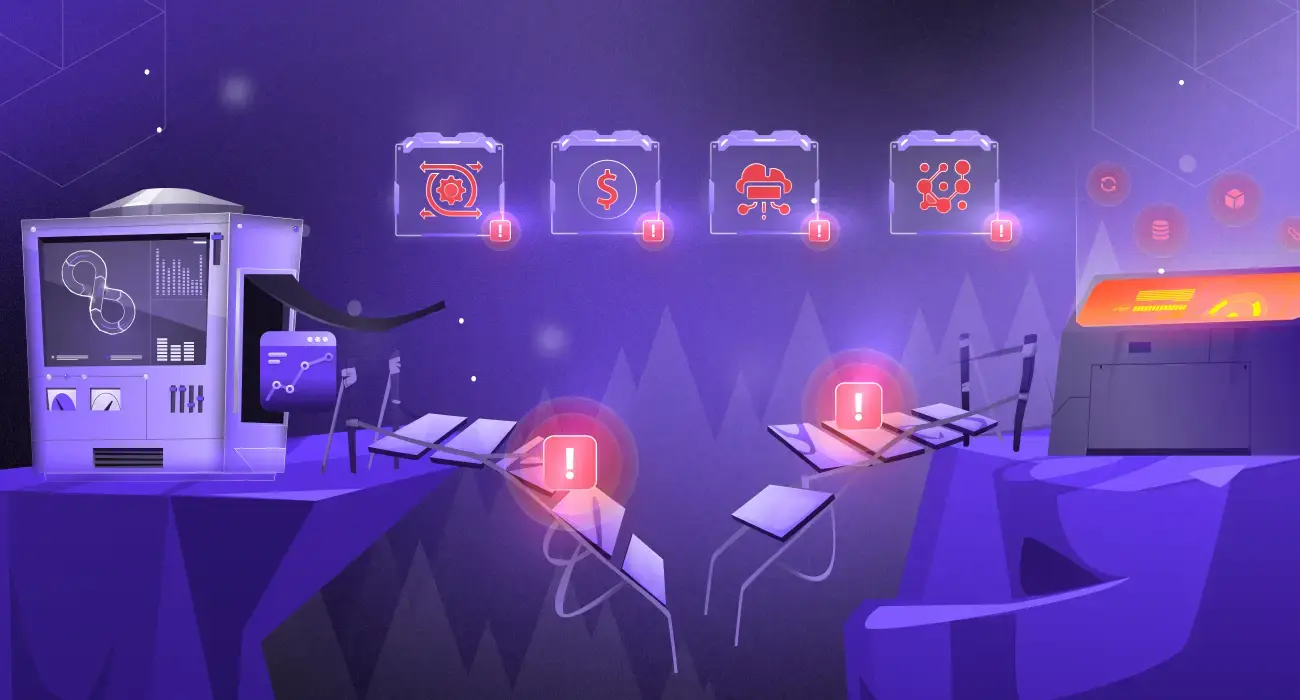
Why Observability Migrations Fail (and What Developers Can Do About It)
Observability migrations rarely fail because the new platform is worse. They fail in the gap between the pitch deck and week three, when a missing label breaks a 2 AM alert and nobody can say whether it’s the platform or the data. This guide breaks down the five patterns that quietly sink migrations, and what…
-
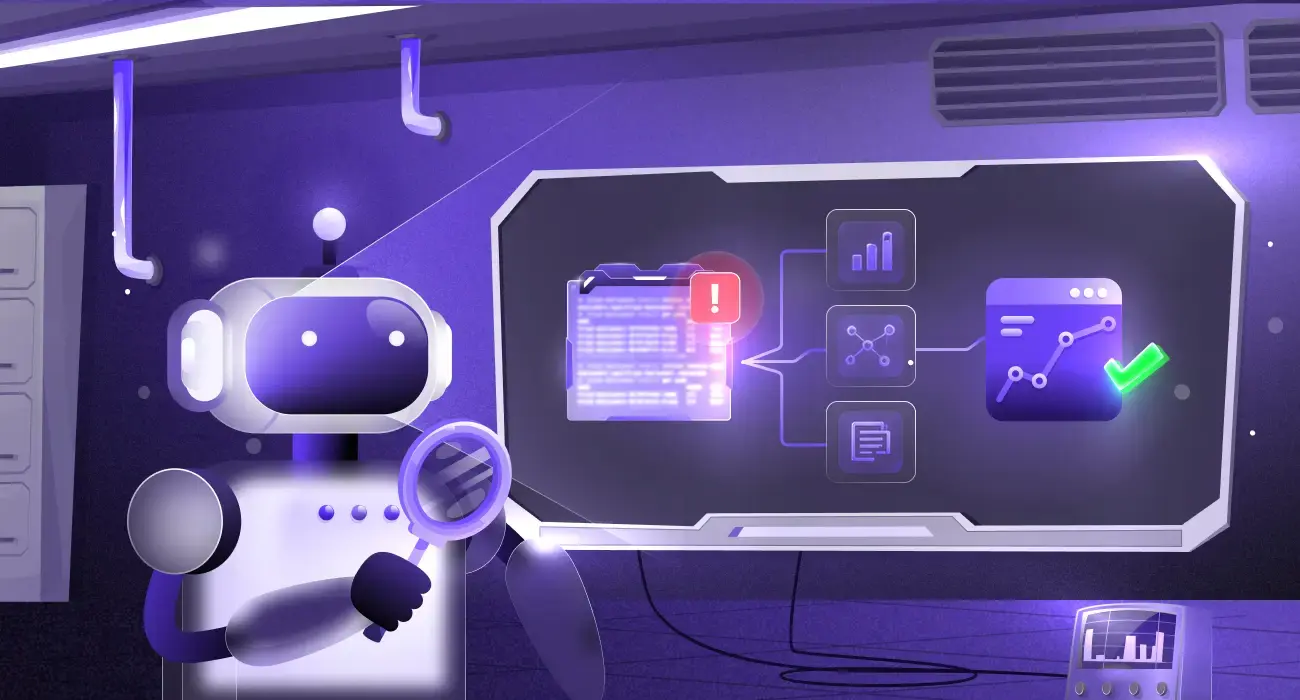
Run Production Ahead of the Alert: How an AI SRE Agent Works From Inside Your Observability Platform
Your on-call engineer spends nearly 60% of their week hunting root causes that already happened, while the failed deploy that started it all never triggered a single alert. OpsAI is Middleware’s AI SRE agent: it watches your Kubernetes, APM, RUM, and log telemetry continuously, catches the failures that don’t page anyone, and turns the cause into…
-

AWS Lambda Timeout Best Practices: Causes, Limits, and Fixes
“Task timed out after 900.00 seconds.” That line in CloudWatch means your function ran out of time, and depending on where it happened, you might have a partial database write, a duplicate charge, or a customer staring at a blank screen. AWS Lambda timeouts are rarely about needing more time. Most trace back to a…
-

Dynatrace vs. New Relic: The Full 2026 Comparison Guide
Choosing between Dynatrace vs New Relic usually comes down to one trade-off: automated depth or flexible breadth. Your app is slow, an alert just fired, and you need to know if it’s the database, the network, or a bad deploy before your users do. This guide compares both platforms across infrastructure monitoring, APM, logs, pricing,…
-
How to Upload Source Maps for Real User Monitoring So Stack Traces Aren’t Minified
Source maps are JSON files that map your minified, bundled JavaScript back to the original file and line number you wrote. Real User Monitoring (RUM) tools use them to turn a.js:1:48213 into checkout/validateCard.ts:42. This guide covers why minified traces show up, how upload-and-match works, and how to automate it in CI/CD. The real challenge isn’t…
