Tag: Cloud
-
AWS Lambda Functions in Python: A Practical Guide
AWS Lambda is a serverless compute service that runs your code in response to events, without requiring you to manage any servers. Developers use it for event-driven and short-running tasks like processing file uploads, handling API requests, and running scheduled jobs. The code you deploy to Lambda is called a Lambda function, and it handles…
-
AWS Lambda Limits: The Complete Guide to Quotas, Hard Limits, and Workarounds
AWS Lambda enforces more than a dozen limits at once. Most teams only discover the one that matters after a function fails in production. Some of these limits are hard ceilings that AWS will never raise. Others are soft quotas that scale automatically or on request. This guide covers every current Lambda quota in one…
-

AWS Lambda Timeout Best Practices: Causes, Limits, and Fixes
“Task timed out after 900.00 seconds.” That line in CloudWatch means your function ran out of time, and depending on where it happened, you might have a partial database write, a duplicate charge, or a customer staring at a blank screen. AWS Lambda timeouts are rarely about needing more time. Most trace back to a…
-
Incident Correlation: How to Automatically Group Related Alerts From the Same Root Cause
Incident correlation automatically links alerts, logs, traces, and metrics from the same failure into one incident, instead of paging on each signal separately. This article covers how correlation works, the main grouping techniques, and how to apply them when one outage floods your on-call channel with dozens of alerts. The core trade-off is speed versus…
-
10 Best Dash0 Alternatives in 2026: Features, Pricing & OTel Support Compared
Looking for Dash0 alternatives usually means you’ve hit one of three walls: Agent0 is still in Beta, there’s no on-call or incident management built in, or you need a self-hosting path Dash0’s SaaS-only model doesn’t offer. This guide compares 10 platforms, including Middleware, Datadog, and SigNoz, across OpenTelemetry support, pricing, and free tiers, so you…
-
AWS Lambda CloudFormation: How to Create, Deploy, and Manage Lambda Functions
AWS Lambda runs your function code, while AWS CloudFormation defines and manages the function and its related resources, including IAM roles, triggers, and environment variables. This guide explains how to create, deploy, update, troubleshoot, and monitor a Lambda function with CloudFormation. See your Lambda functions the moment they deploy Get invocations, errors, and cold starts…
-
AWS Fargate vs. Lambda: 6 Differences and How to Choose
Choosing between AWS Fargate and AWS Lambda usually comes down to one question: do you need to run a container, or just a function? Fargate runs your existing container images without you touching an EC2 instance. Lambda runs short bursts of code with no container involved at all. Match the compute to the workload and…
-
Middleware Expands Subscription Options With Google Marketplace Availability
Middleware is now available on Google Cloud Marketplace, giving Google Cloud customers a new way to subscribe: directly from your GCP console, billed through your existing Google Cloud invoice, with eligible spend counting toward your committed Google Cloud spend. Deployment doesn’t change. It’s the same OpenTelemetry agent, the same GKE install, and the same native…
-
Bring AI Inference Into Your Full-Stack Observability With the TrueFoundry AI Gateway Integration
Getting AI models into production is one challenge. Knowing what they do once they’re there is another. Every inference request carries information you need: latency, token usage, model behavior, finish reason. But wiring observability into each model and provider usually means repetitive, custom instrumentation for every integration. We built Middleware to remove that work. With…
-
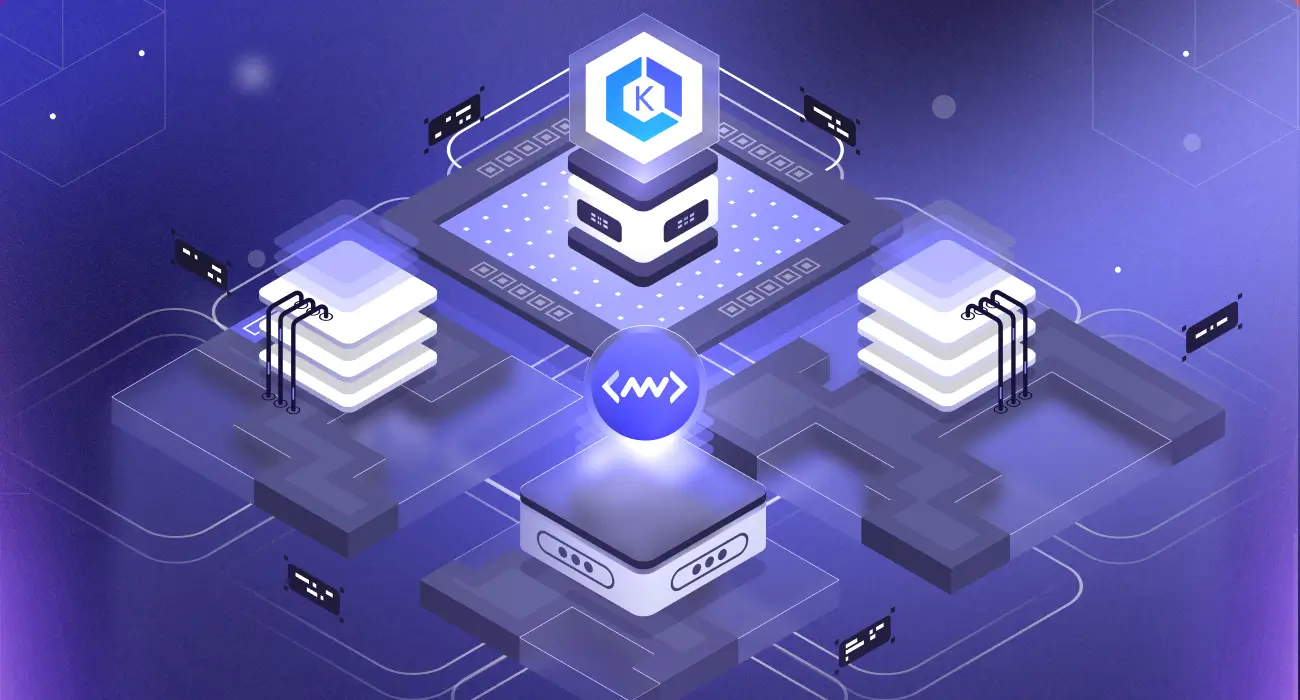
Monitor Logs from Amazon EKS on Fargate with Middleware
Amazon EKS on Fargate is a fully serverless Kubernetes environment, with no EC2 nodes to manage, no DaemonSets and no host filesystem access. That architecture simplifies operations but breaks traditional observability tools that rely on node-level agents. This guide shows you how to monitor EKS Fargate workloads using Middleware. You will configure log routing via…
-
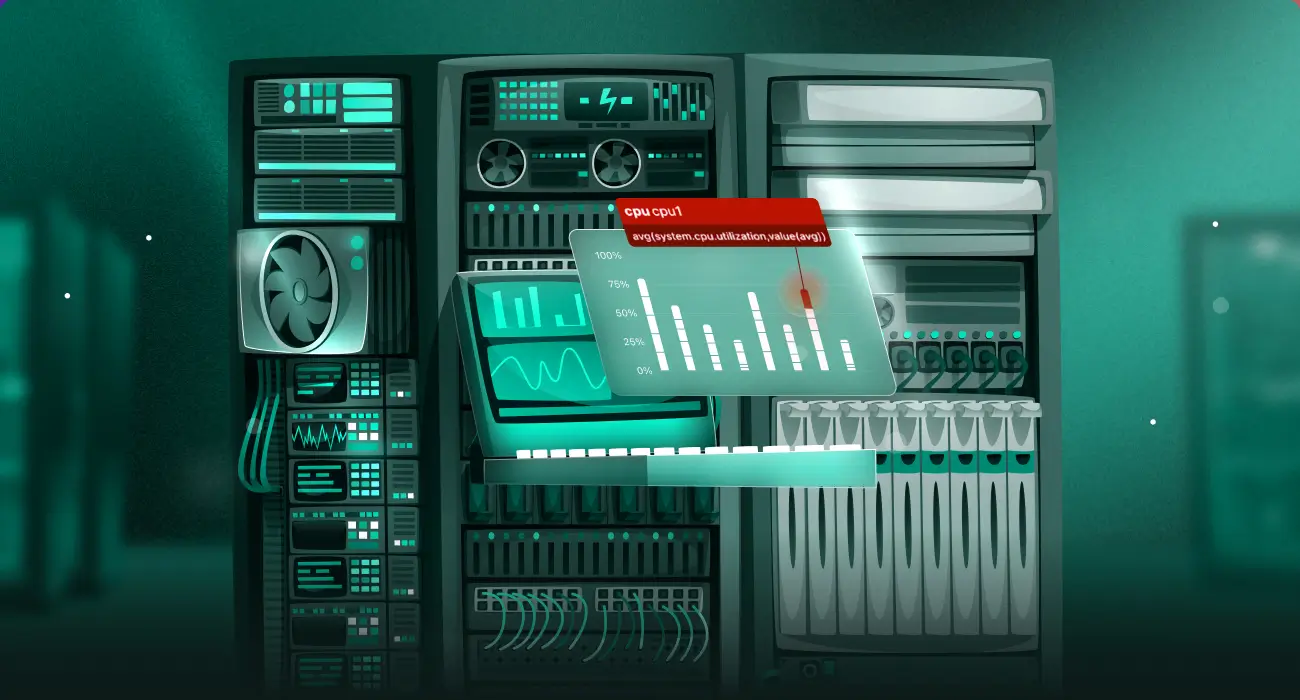
How to Monitor Virtual Machines with Middleware
Virtual machine (VM) monitoring tracks CPU, memory, disk, and network performance in real time, allowing infrastructure teams to detect and resolve issues before they affect users. 📖 New to infrastructure monitoring? Read our foundational guide → What Is Infrastructure Monitoring? This guide covers how to deploy Middleware’s OpenTelemetry-based monitoring across VMs on AWS, Azure, and…
-
What is AWS Step Functions? How It Works & Use Cases
AWS Step Functions streamline orchestration, but monitoring remains challenging. This guide explains core concepts, pricing, limitations, and how Middleware improves visibility.
